

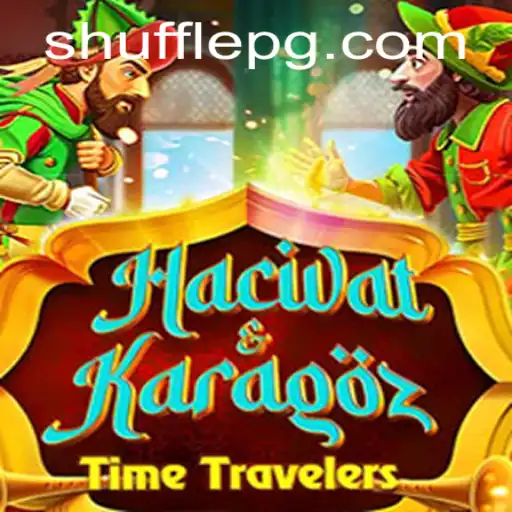
Hacivat and Karagöz: An Age-Old Narration in a Modern World
Hacivat and Karagöz, an ancient form of shadow puppetry, has been an integral part of Turkish culture for centuries. This traditional performance art traces its origins back to the Ottoman era and serves as a comedic yet thought-provoking spectacle reflecting societal norms and humanity's quirks. In the heart of its storyline are two iconic characters, Hacivat and Karagöz, who embody contrasting aspects of human nature.
Understanding the Essence of Hacivat and Karagöz
Rooted deeply in the rich tapestry of Ottoman culture, the Hacivat and Karagöz performance is primarily celebrated for its humorous and satirical dialogue. The characters interact in a playful banter, addressing everyday issues and societal themes, often making profound points disguised within their humor. This unique blend of humor and commentary has allowed the shadow play to survive and thrive even in today's entertainment landscape.
The enigmatic duo of Hacivat, with his articulate and educated persona, and Karagöz, often portrayed as the less worldly yet extremely witty counterpart, drive this traditional narrative forward. Their interactions are a blend of intellectual debates and slapstick humor, creating an enchanting performance that captivates audiences of all ages.
The Cultural Significance and Historical Roots
The origins of Hacivat and Karagöz are shrouded in mystery, with stories suggesting that the characters were based on real individuals who lived during the reign of Sultan Orhan in the 14th century. Their banter and camaraderie were immortalized by storytellers, eventually evolving into shadow puppetry, a craft that requires exceptional skill and creativity.
Performers, known as puppeteers, bring these characters to life through intricate shadow figures made from camel or cowhide, painted in vivid colors, and cast onto a lighted backdrop where their outlines animate stories filled with wit and wisdom. The art form served as entertainment during Ramadan nights, marketplaces, and social gatherings, fostering community and cultural exchange.
Introduction of 'vwbet' into the Gameplay
In an unexpected twist of fate, the traditional shadow play has caught the intrigue of modern game developers, leading to the introduction of 'vwbet' into the story's structure. This novel addition represents a marriage of the ancient with the new, bringing technological elements into the narratives of Hacivat and Karagöz. Contemporary interpretations both on stage and in digital platforms, incorporate this concept to create interactive experiences that resonate with today's audiences.
The keyword 'vwbet' serves as a symbolic anchor, its integration testing the flexibility of ancient narratives to adapt and survive in the modern era. By contextualizing these narratives within current societal developments, the creators have added an extra layer to the dimension of the game, thus expanding its scope and relevance.
Gameplay and Rules of Hacivat and Karagöz
The engagement with Hacivat and Karagöz, especially when played in a digital format, brings forth interesting gameplay mechanics. At its core, the game follows the interactions between the two characters as they navigate various scenarios, perhaps integrating current socio-political themes or everyday mishaps.
Players or audiences are often treated to a blend of pre-scripted narratives interspersed with opportunities for interaction, where their choices can influence the progression of the storyline, particularly in its digital incarnations. Seamlessly, this style maintains the traditional satirical essence of the original shadow puppet play while incorporating modern, interactive elements.
The central aim of the players is to guide Karagöz, often the protagonist, through challenges while engaging in humorous yet meaningful exchanges with Hacivat. The addition of 'vwbet' into the gameplay further intensifies this interaction, serving as a mechanism for players to make pivotal decisions, unlocking new paths and encountering diverse outcomes.
The Role of Technology in Reviving Tradition
As we venture further into the digital age, technology continues to play a vital role in breathing new life into age-old traditions like Hacivat and Karagöz. Through virtual platforms, augmented reality, and interactive storytelling, this traditional puppetry form has found avenues to enchant a global audience, preserving the cultural heritage while appealing to modern sensibilities.
The fusion of 'vwbet' within the Hacivat and Karagöz realm exemplifies how technology can be harmoniously integrated into cultural narratives. These adaptations aim to attract younger audiences who are more attuned to digital interactivity, ensuring the continuity of these plays for generations to come.
Celebrating Hacivat and Karagöz in Contemporary Times
It is a festive time for Hacivat and Karagöz as cultural institutions and enthusiasts across the globe find innovative ways to celebrate and preserve this valuable heritage. With international festivals, online performances, and interactive workshops, it's evident that the charm of these shadow puppets is far from fading.
The game and performance continue to adapt, incorporating current events and societal themes into its storytelling, thus maintaining its status as a vibrant form of cultural commentary. The integration of modern elements like 'vwbet' keeps this tradition relevant, ensuring its place in the cultural fabric of societies worldwide.
By embracing both tradition and innovation, the story of Hacivat and Karagöz lives on, enticing both young and old, connecting audiences to a legacy that transcends time and technology. As these shadow puppets dance across the illuminated screens, they remind us that every narrative, however ancient, holds the power to inspire and instigate thought, no matter the era.